
The Eames Barcelona Chair furniture history is one of the most discussed and fascinating topics in modern design studies. When people talk about iconic seating that changed how furniture is designed, displayed, and understood, this chair always enters the conversation. The Eames Barcelona Chair furniture history reflects a turning point where art, architecture, and comfort came together in a single object.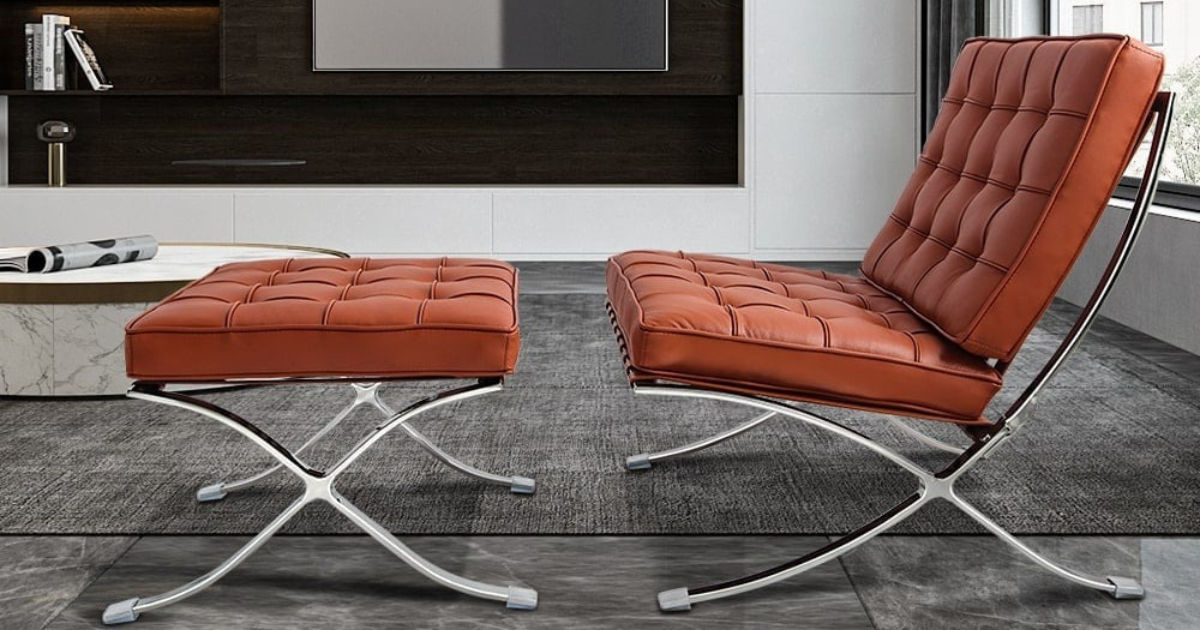
For students, designers, and furniture lovers, understanding the Eames Barcelona Chair furniture history helps explain why modern furniture looks the way it does today. This chair is not just about sitting; it represents ideas, movements, and cultural shifts that shaped the modern world.
This comprehensive guide explores the Eames Barcelona Chair furniture history from its origins to its lasting influence, explaining its design philosophy, cultural role, and place in furniture history in clear and simple language.
The Historical Context of Modern Furniture Design
To fully understand the Eames Barcelona Chair furniture history, we must first look at the time when modern furniture design began to grow. The early 20th century was a period of major change. Industrialization, new materials, and new ways of thinking pushed designers to move away from heavy, decorative furniture styles.
Designers wanted furniture that matched modern life. Homes were becoming smaller. Cities were growing. People wanted furniture that was simple, functional, and elegant. This mindset set the stage for the Eames Barcelona Chair furniture history to begin.
Modern furniture was no longer just decoration. It became a reflection of progress, innovation, and efficiency.
Origins of the Barcelona Chair Concept
The Eames Barcelona Chair furniture history begins with the idea of creating a chair that symbolized modern luxury without traditional ornamentation. The concept focused on clean lines, balance, and structure rather than excessive decoration.
Designers of the modern movement believed furniture should be honest. Materials should look like what they are. Structure should be visible. This philosophy became a core part of the Eames Barcelona Chair furniture history.
The chair was designed to look calm and confident. Every element had a purpose. This was a radical idea compared to earlier furniture styles.
Influence of Modernist Design Philosophy
Modernism played a huge role in shaping the Eames Barcelona Chair furniture history. Modernist designers believed that form should follow function. This idea meant that a chair should look the way it works.
In the Eames Barcelona Chair furniture history, this philosophy appears clearly. The chair does not hide its structure. The frame is visible. The cushions are simple and geometric. Nothing is added without reason.
This approach influenced many later designers and became a foundation of modern furniture design.
Materials That Defined an Era
One of the most important aspects of the Eames Barcelona Chair furniture history is its use of materials. At a time when most furniture was made from wood, this chair introduced metal as a primary structural element.
The polished metal frame represented industrial strength and precision. Leather cushions added comfort and luxury. This mix of materials showed how modern design could be both strong and refined.
The Eames Barcelona Chair furniture history demonstrates how new materials changed furniture forever.
Craftsmanship and Industrial Techniques
Although the chair looks industrial, craftsmanship is central to the Eames Barcelona Chair furniture history. Each piece was carefully made to ensure balance and durability.
This blend of hand craftsmanship and industrial methods was new. It showed that mass production and quality could exist together. The Eames Barcelona Chair furniture history highlights this important shift in furniture manufacturing.
Designers learned that machines could support creativity rather than limit it.
Cultural Importance in the 20th Century
The Eames Barcelona Chair furniture history is deeply connected to cultural change. As societies moved toward modern living, furniture became a symbol of progress.
This chair appeared in important buildings, exhibitions, and modern homes. It became associated with forward-thinking people and creative spaces. The Eames Barcelona Chair furniture history shows how furniture can represent ideas and values.
It was not just a chair. It was a statement about the future.
The Chair as a Symbol of Modern Luxury
Luxury in modern design looks different from traditional luxury. The Eames Barcelona Chair furniture history reflects this change clearly.
Instead of gold, carvings, or heavy fabrics, luxury came from proportions, materials, and comfort. The chair felt exclusive because of its design quality, not because of decoration.
This idea influenced many later furniture designs and remains important today.
Role in Architectural Spaces
Architecture and furniture often work together. The Eames Barcelona Chair furniture history shows how seating can complement modern buildings.
The chair fits perfectly in open spaces with glass, steel, and clean lines. Architects used it to complete their vision of modern interiors. This close relationship between architecture and furniture is a key part of the Eames Barcelona Chair furniture history.
Furniture became an extension of architectural design.
Influence on Mid-Century Modern Design
Mid-century modern design owes much to the ideas seen in the Eames Barcelona Chair furniture history. Designers of this period focused on simplicity, functionality, and new materials.
The chair influenced how designers thought about seating. It showed that chairs could be sculptural while still being comfortable. The Eames Barcelona Chair furniture history helped shape the visual language of mid-century interiors.
Many classic designs followed this path.
The Educational Value of the Chair
For students studying design, the Eames Barcelona Chair furniture history is an important learning tool. It teaches lessons about proportion, material use, and design philosophy.
Design schools often use this chair as an example of successful modern design. The Eames Barcelona Chair furniture history helps students understand how ideas turn into physical objects.
It remains relevant in education even today.
Evolution Over Time
Although the original design remains largely unchanged, the Eames Barcelona Chair furniture history includes subtle evolution. Manufacturing techniques improved. Materials became more refined.
These updates did not change the chair’s identity. Instead, they preserved its relevance. The Eames Barcelona Chair furniture history shows how timeless design adapts without losing its core values.
This balance is rare in furniture design.
Presence in Popular Culture
The Eames Barcelona Chair furniture history extends beyond design studios and museums. The chair appears in films, offices, and luxury interiors.
Its presence often signals taste, sophistication, and modern thinking. This cultural visibility reinforces the importance of the Eames Barcelona Chair furniture history in everyday life.
Few furniture pieces achieve this level of recognition.
Museums and Design Collections
Museums around the world include the chair in their permanent collections. This recognition confirms the importance of the Eames Barcelona Chair furniture history.
When furniture enters a museum, it becomes part of cultural heritage. The chair is studied, preserved, and admired as a work of art. The Eames Barcelona Chair furniture history proves that furniture can be as meaningful as paintings or sculptures.
Comparison With Traditional Furniture Styles
Traditional furniture focused on decoration and status. The Eames Barcelona Chair furniture history represents a complete shift away from that approach.
Instead of hiding structure, it celebrates it. Instead of heavy forms, it uses light and open shapes. This contrast highlights why the Eames Barcelona Chair furniture history marks a major turning point in furniture history.
Modern design became accessible and logical.
Comfort and Ergonomic Thinking
While the chair looks formal, comfort plays a role in the Eames Barcelona Chair furniture history. The cushions support the body naturally.
This focus on ergonomic thinking influenced later seating designs. The Eames Barcelona Chair furniture history shows that comfort does not require complex shapes.
Simple forms can still feel good.
Global Influence on Furniture Design
The ideas behind the Eames Barcelona Chair furniture history spread around the world. Designers in different countries adopted similar principles.
Steel frames, leather upholstery, and minimalist forms became common. The Eames Barcelona Chair furniture history helped create a global design language.
Modern furniture became universal rather than regional.
Sustainability and Longevity
One often overlooked aspect of the Eames Barcelona Chair furniture history is durability. The chair is designed to last for decades.
This longevity supports sustainable thinking. Instead of replacing furniture often, people invest in timeless pieces. The Eames Barcelona Chair furniture history encourages quality over quantity.
This idea is more relevant today than ever.
Why the Chair Still Matters Today
Even after many decades, the Eames Barcelona Chair furniture history remains relevant. Modern homes still value simplicity, comfort, and quality.
Design trends change, but strong ideas last. The Eames Barcelona Chair furniture history proves that good design does not expire.
It continues to inspire new generations of designers.
Lessons Learned From Its History
The Eames Barcelona Chair furniture history teaches important lessons. Design should be honest. Materials should be respected. Form and function should work together.
These principles guide not only furniture design but also architecture and product design. The Eames Barcelona Chair furniture history is a reminder that thoughtful design can change how people live.
The Chair as a Design Benchmark
Many designers measure their work against classics. The Eames Barcelona Chair furniture history sets a high standard.
It shows what happens when vision, skill, and philosophy align. The chair remains a benchmark for modern seating design.
This lasting influence defines its place in history.
Conclusion
The Eames Barcelona Chair furniture history is more than the story of a single chair. It is the story of modern design itself. From its origins in a time of change to its lasting presence in homes, offices, and museums, the chair represents progress, clarity, and innovation.
By studying the Eames Barcelona Chair furniture history, we understand how furniture can reflect cultural values and technological advances. The chair teaches us that simplicity can be powerful and that true luxury lies in thoughtful design.
For students, designers, and everyday users, the Eames Barcelona Chair furniture history offers inspiration and guidance. It reminds us that great design is timeless, meaningful, and deeply connected to the way we live
